Montalto Homepage

GARDENS & WETLANDS

Gardens & Wetlands

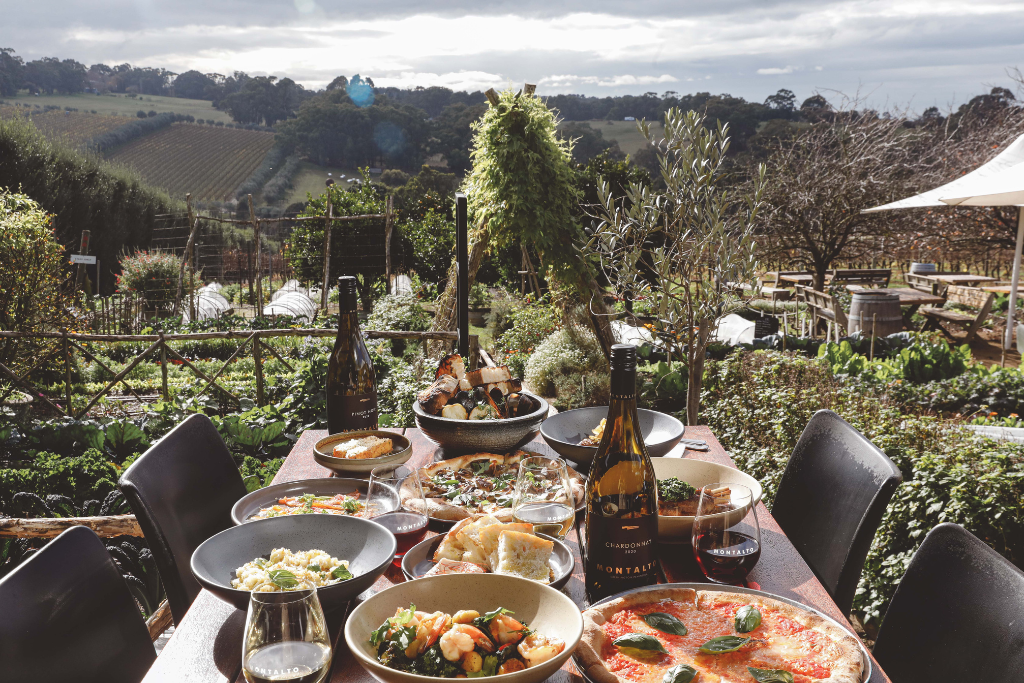
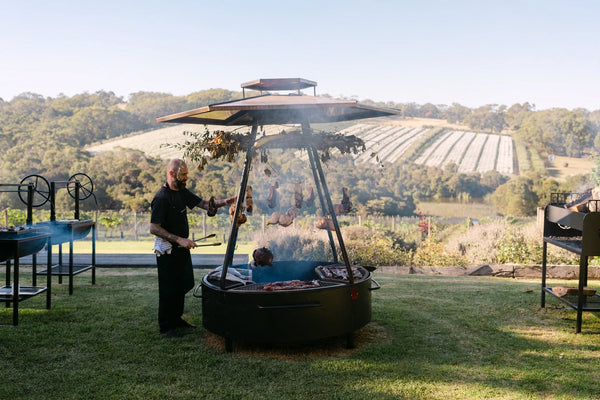
Montalto’s estate to plate philosophy is all about using the land we are blessed to occupy in a sustainable manner, recognising its particular characteristics and sharing its wonderful attributes with others.

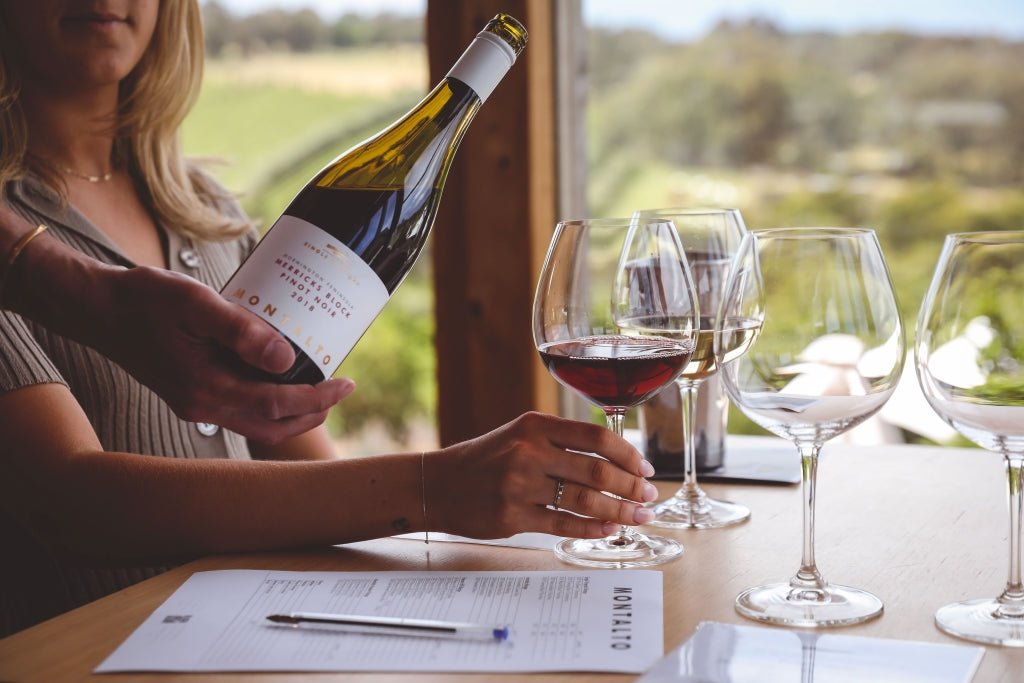
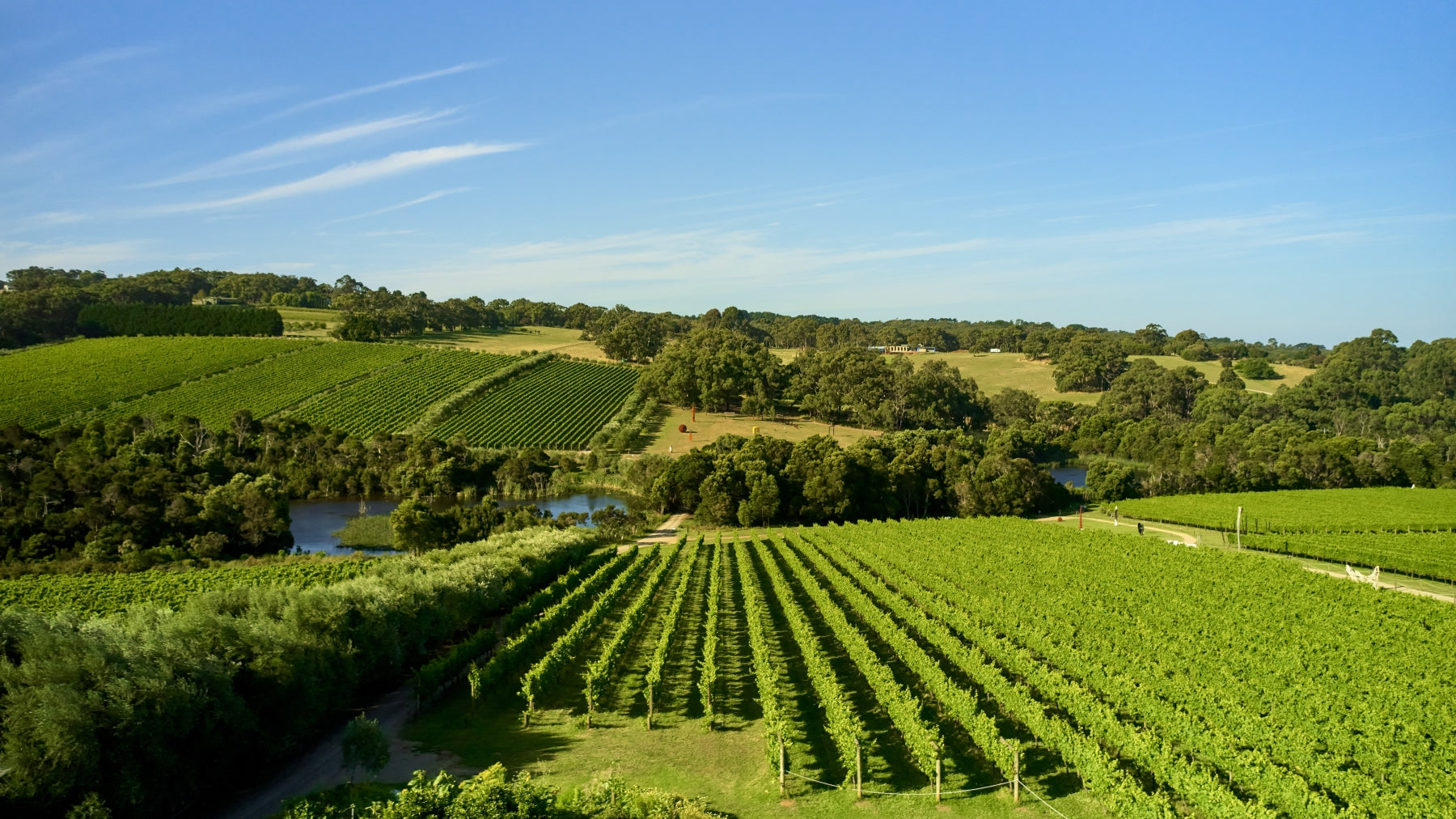
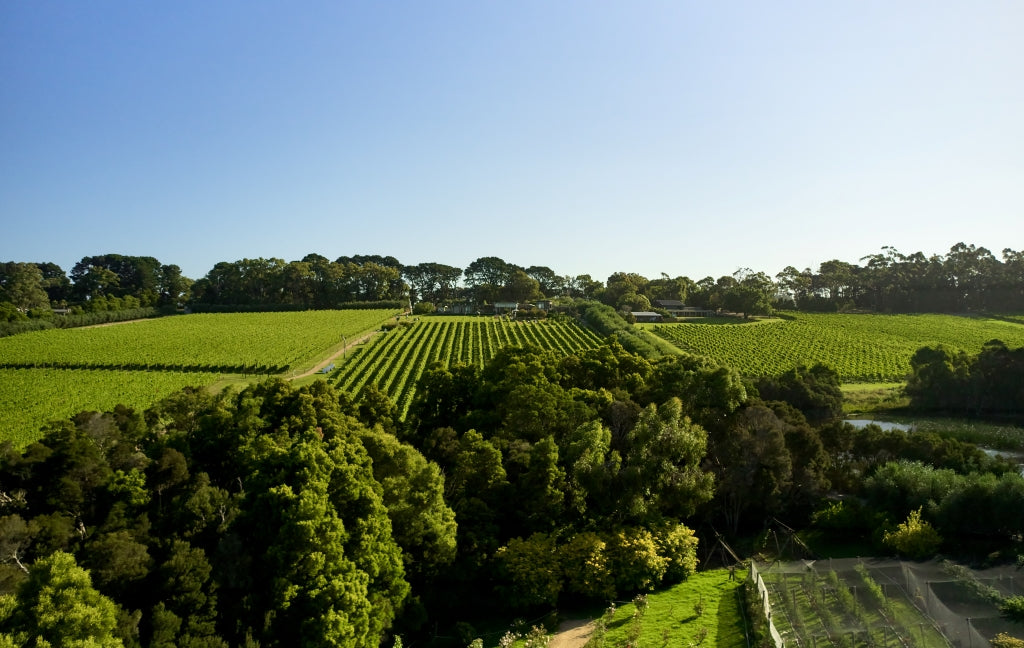
The starting point for this is the wine we produce from our 30 acre vineyard, and olive oil and other olive products from 1500 olive trees. Waste is always minimised, for example fruit that is dropped from the vines to maintain low cropping levels is directed to make Verjuice, an unfermented grape juice used in cooking.

Expansive, lush kitchen gardens are grown on organic principles, using heirloom herb and vegetable varieties. Daily visits from the Montalto kitchen ensure fresh, seasonal produce on the menu. The gardens were established and are maintained by Wendy Mitchell, who can often be found digging away, particularly in the warmer months when the garden is a full time activity.

Seasonal produce grown at Montalto is further enhanced by a fruit and nut grove and berry garden. Figs, stone fruit, almonds, hazelnuts, citrus, strawberries, raspberries, loganberries and more are all available for the restaurant menu.

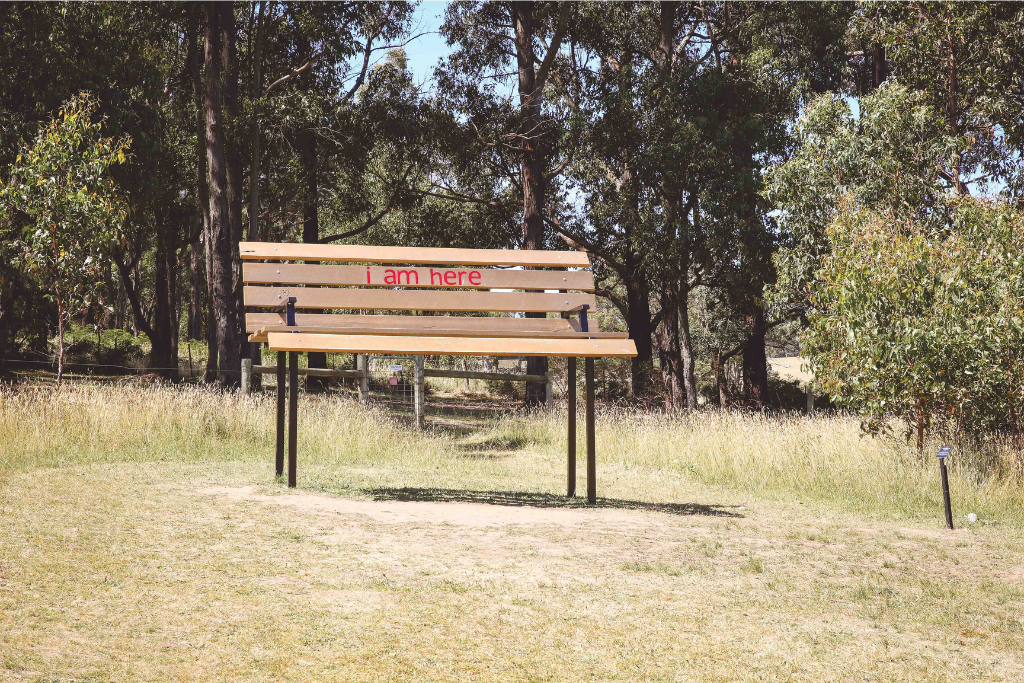
Four spring fed dams are linked by a stream through the valley floor of the amphitheatre property. Over 90 species of native bird and animal life inhabit the natural wetlands. Rambling blackberries have been cleared to allow existing native plants to thrive. A further program of planting is currently underway to improve the ecology of the waterways and encourage more native wildlife. Boardwalks through the wetlands allow the visitor an opportunity to enjoy this peaceful and natural habitat. The space takes on a different character during the annual sculpture prize as man-made creativity interacts with nature.

The natural environment at Montalto can be enjoyed on the Wetlands Walk, an easy, gentle meander down the slopes that takes in kitchen gardens, vines, olives, wetlands and sculpture. One further way of sharing the beauty and bounty of our land with you.

News from Wendy


Already in the garden the autumnal signs trigger a response to ponder the winter garden. I have rifled through my seed packets and the saved seeds, planted out seed boxes - but still need new seeds to fill the gaps. The summer garden has been gorgeous, by introducing colour, the
vegie garden becomes not only a palate stimulating prolific food source, but a joy to all our senses. The double dazzler sunflowers (only now being devoured by crimson rosellas) bring summer sparkle, the exotic crimson perilla - a fascination and the nasturtiums and marigolds bring colour and protection. I feel blessed to have water for my garden, especially when I encounter the wistful faces and voices of people who do not.

Our beautiful, succulent sweet corn was quickly picked as the bush rats began to enjoy them too. The bush pumpkins in the barrels look great and produce many small tasty fruit. The limbing frame erected for the cucumbers has proved a sturdy support also for feral pumpkins and gourds - even the heaviest pumpkins dangle on strong stems. Higher humidity, lack of rain and changing weather patterns make rethinking of plant varieties planting times etc necessary. Next season I want to bring forward the seeding and planting out of tomatoes as the earth seemed warmer earlier this season and even though many tomatoes are ripening, the longer varieties are still green. Thanks to Peter Cundell's tips on growing tomatoes - 'being mean' - my tomato
plants have abundant fruit. Whilst picking our sweet juicy raspberries and luscious blackberries
(made delicious jam) I listened to an inspirational interview with Paul Stamets (on Radio National). He is a world authority on fungi, has written many books and papers on his research; plus mushroom cultivation, medicinal mushrooms etc. Most exciting is his research into and book "Mycolium Running: How mushrooms can help to save the world" which brings us to the importance of mulching - not merely as a means of keeping weeds down, keeping moisture in, but 'put simply' in the breaking down of mulch by fungi, the soil becomes healthy thus growing healthy plants. Fascinating reading online - www.fungi.com